TL;DR
Adaptive learning platforms and fixed-format exam prep each have unique strengths in preparing candidates for high-stakes professional certifications. Adaptive platforms excel in personalizing learning experiences and identifying knowledge gaps, while fixed-format prep provides consistent practice aligned with exam conditions. The choice depends on the candidate's learning style and the specific requirements of the certification.
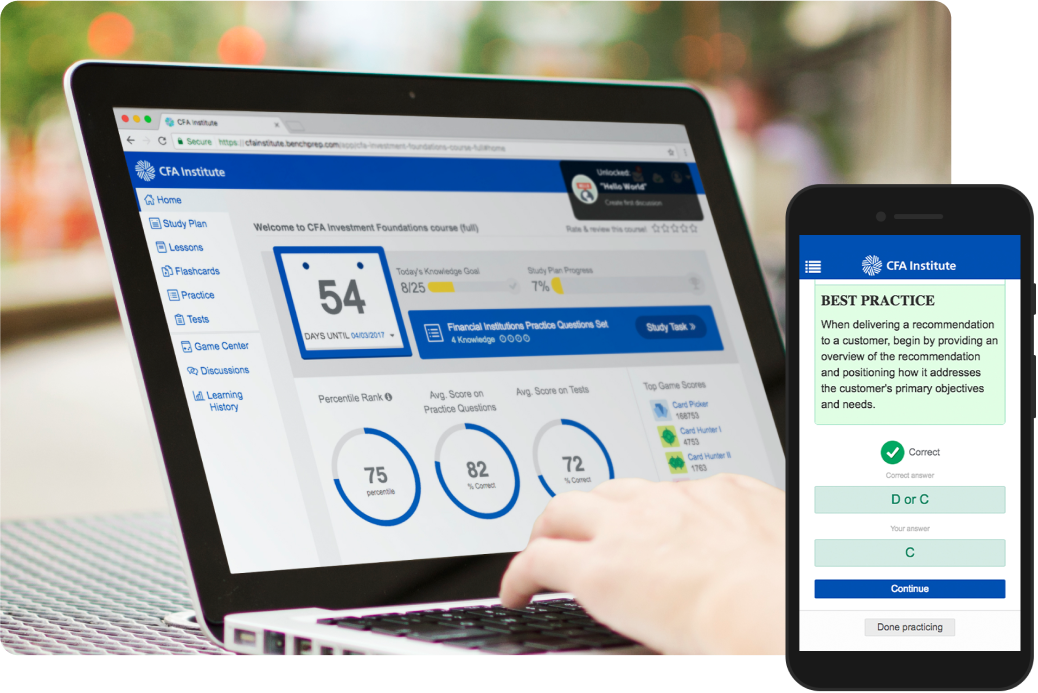
What Are Adaptive Learning Platforms?
Adaptive learning platforms are designed to tailor educational experiences to individual learners' needs. These platforms use algorithms and data analytics to adjust the content and difficulty level based on a candidate's performance. This approach allows for a personalized learning journey, where the system identifies areas of strength and weakness, providing targeted practice to improve outcomes.
Key Features of Adaptive Learning Platforms
- Personalization: Content is dynamically adjusted to match the learner's pace and understanding, ensuring that they are neither overwhelmed nor under-challenged.
- Data-Driven Insights: These platforms collect data on learner performance, offering insights into progress and areas needing improvement.
- Engagement: By providing content that is relevant and appropriately challenging, adaptive platforms can increase learner engagement and motivation.
Adaptive learning platforms are particularly beneficial for candidates who require a more customized approach to learning, as they can focus on specific areas where they need improvement, potentially leading to better outcomes in high-stakes exams.
How Do Fixed-Format Exam Prep Courses Work?
Fixed-format exam prep courses offer a structured approach to exam preparation, providing candidates with materials and practice exams that closely mirror the actual test conditions. These courses are typically designed to cover the entire syllabus of the certification exam, ensuring comprehensive coverage of all topics.
Advantages of Fixed-Format Exam Prep
- Consistency: These courses provide a consistent learning experience, with materials standardized across all learners.
- Exam Simulation: Practice exams are designed to replicate the format and timing of the actual test, helping candidates become familiar with the exam environment.
- Comprehensive Coverage: Fixed-format courses ensure that all topics are covered, reducing the risk of missing critical content.
Fixed-format exam prep is ideal for candidates who benefit from a structured learning environment and need to practice under conditions similar to the actual exam.
Which Approach Delivers Better Outcomes?
The effectiveness of adaptive learning platforms versus fixed-format exam prep depends on several factors, including the candidate's learning style, the complexity of the certification, and the specific requirements of the exam.
Factors to Consider
- Learning Style: Candidates who thrive in a personalized learning environment may benefit more from adaptive platforms, while those who prefer structure may find fixed-format courses more effective.
- Exam Requirements: Some certifications may require a deep understanding of specific topics, which adaptive platforms can address through targeted practice. Conversely, exams that test a broad range of knowledge may be better suited to fixed-format prep.
- Feedback and Support: Adaptive platforms often provide real-time feedback and support, which can be crucial for candidates needing immediate clarification on complex topics.
Ultimately, the choice between adaptive learning and fixed-format exam prep should be guided by the candidate's individual needs and the nature of the certification exam.
How Do Pricing Models Differ?
Pricing for adaptive learning platforms and fixed-format exam prep courses varies significantly, often reflecting the level of personalization and support offered.
Adaptive Learning Platform Pricing
- Subscription-Based: Many adaptive platforms operate on a subscription model, with costs varying based on the level of access and features.
- Per-User Fees: Some platforms charge per user, with pricing tiers based on the number of learners and the depth of analytics provided.
Fixed-Format Exam Prep Pricing
- One-Time Fees: Fixed-format courses often charge a one-time fee for access to materials and practice exams.
- Bundled Packages: Some providers offer bundled packages that include additional resources, such as tutoring or extra practice exams, for an additional cost.
Frequently Asked Questions
Can adaptive learning platforms be used for all types of certifications?
While adaptive platforms are versatile, their effectiveness depends on the complexity and specific requirements of the certification. They are best suited for exams that benefit from personalized learning paths.
Are fixed-format exam prep courses more affordable?
Fixed-format courses often have a lower upfront cost, but the overall value depends on the comprehensiveness of the materials and the level of support provided.
Do adaptive platforms offer real-time feedback?
Yes, one of the key advantages of adaptive platforms is their ability to provide real-time feedback, helping learners quickly address areas of difficulty.
Are there any hybrid options available?
Some providers offer hybrid solutions that combine elements of both adaptive learning and fixed-format prep, providing a balanced approach to exam preparation.