TL;DR
Choosing the right exam preparation platform for certification organizations involves understanding the specific needs of the organization, such as data ownership, readiness tracking, and integration capabilities. The market offers four main approaches: general-purpose learning management systems, purpose-built credentialing platforms, standalone test-prep products, and custom-built internal systems. Each approach has distinct advantages and trade-offs, and the best choice depends on the organization's priorities, such as exam readiness, data control, and implementation speed.
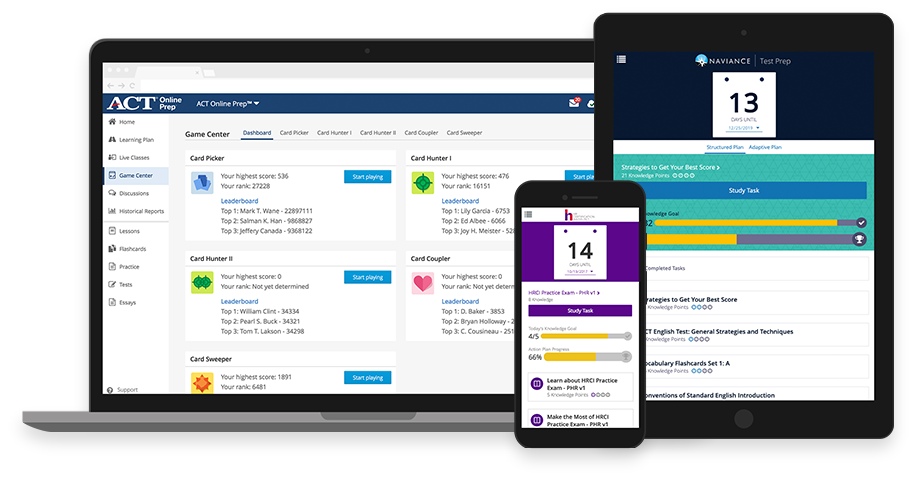
What are the main approaches in this space?
Exam preparation platforms for certification organizations are part of a broader category of learning management systems (LMS) and educational technology solutions. These platforms are designed to help organizations prepare candidates for high-stakes exams by providing tools for practice, assessment, and performance tracking. The main approaches in this space can be categorized as follows:
General-purpose learning management systems (LMS): These platforms are versatile and used for a wide range of educational purposes, including exam preparation. They offer features like course catalogs, content management, and basic assessment tools. However, they may lack specialized features for deep exam readiness analytics.
Purpose-built credentialing platforms: These systems are specifically designed for exam preparation and credentialing. They focus on providing detailed analytics, psychometric data, and practice exams that mirror real testing conditions. They are ideal for organizations that prioritize exam readiness and data-driven insights.
Standalone test-prep products: These are often sold directly to candidates and include pre-packaged content and practice exams. They are quick to deploy but may offer limited control over data and content customization for the organization.
Custom-built internal systems: Some organizations opt to develop their own platforms tailored to their specific exam blueprints and data requirements. This approach offers maximum control but requires significant resources for development and maintenance.
Pricing structures vary, with general-purpose LMS and credentialing platforms typically using a per-learner or per-seat annual contract model. Standalone products often have a fixed price per course, while custom systems incur ongoing internal costs.
How do you choose the right exam preparation platform for certification organizations?
Step 1: Define Organizational Needs
Begin by identifying the specific needs of your organization. Consider factors such as the importance of data ownership, the need for detailed readiness tracking, and the level of integration required with existing systems. Understanding these needs will help narrow down the options.
Step 2: Evaluate Platform Capabilities
Assess the capabilities of each platform type. General-purpose LMS platforms offer broad functionality but may lack specialized exam features. Purpose-built platforms provide detailed analytics and exam simulation, while standalone products offer quick deployment. Custom systems offer tailored solutions but require more resources.
Step 3: Consider Data and Content Ownership
Determine how important it is for your organization to own the candidate data and content. Purpose-built platforms and custom systems typically offer full ownership, while standalone products may limit access to data.
Step 4: Assess Integration Requirements
Evaluate the integration capabilities of each platform. Look for support for standards like Learning Tools Interoperability (LTI) and Single Sign-On (SSO), as well as APIs for connecting with other systems like CRM or eCommerce platforms.
Step 5: Analyze Cost Structures
Review the pricing models of each platform type. Consider how the cost aligns with your organization's budget and the expected number of candidates. Request quotes based on your specific needs to get a clearer picture of the financial commitment.
Step 6: Pilot and Test
Before committing to a platform, conduct a pilot test with a small cohort of candidates. This will help identify any potential issues with integration, content alignment, or user experience before a full rollout.
What should buyers consider when evaluating?
Item-Level Analytics: Ensure the platform provides detailed analytics at the item level, including difficulty and reliability metrics.
Content Authoring Flexibility: Check if subject-matter experts can author and update content without needing technical support.
Exam Simulation Accuracy: Verify that the platform can accurately simulate the real exam environment, including timing and question formats.
Integration Capabilities: Confirm the platform supports necessary integrations with existing systems and standards like LTI and SSO.
Data Security and Ownership: Ensure the platform meets data security standards and allows your organization to own and export candidate data.
Frequently Asked Questions
How much do exam preparation platforms typically cost?
See the pricing structures outlined in the 'What are the main approaches' section and Step 5 above. It's important to request quotes tailored to your organization's needs.
What's the difference between a general-purpose LMS and a purpose-built credentialing platform?
A general-purpose LMS is designed for a wide range of educational activities, while a purpose-built credentialing platform focuses specifically on exam preparation and readiness tracking. The latter offers detailed analytics and exam simulation features that are crucial for high-stakes exams.
How long does implementation take?
Implementation timelines vary based on content readiness and platform complexity. Organizations with well-organized content can implement a platform in weeks, while those needing to migrate and tag content may take longer. Testing with a pilot cohort is recommended to identify potential issues early.
What is a common misconception about exam preparation platforms?
A common misconception is that high completion rates indicate readiness for the real exam. However, platforms that only track completion may not provide insights into true candidate readiness. Confidence-based scoring and item-level analytics are essential for identifying knowledge gaps before exam day.