TL;DR
Choosing a learning management system (LMS) for selling continuing education credits to external learners involves understanding the distinct approaches available: general-purpose LMSs, purpose-built credentialing platforms, standalone test-prep products, and custom-built systems. Each approach offers different benefits and trade-offs, such as data ownership, readiness insights, and implementation speed. The decision should align with the organization's specific needs for credit tracking, learner engagement, and compliance requirements.
What Are the Main Approaches in This Space?
The LMS market for selling continuing education credits is diverse, catering to various needs of professional bodies, associations, and training organizations. This category includes systems designed to manage and deliver educational content that counts toward professional credits, certifications, and compliance requirements. The main approaches in this space are:
General-Purpose LMSs: These platforms are versatile, supporting a wide range of educational activities. They are typically used for corporate training and compliance, offering features like course catalogs, completion tracking, and basic reporting. However, they may lack specialized tools for credit tracking and detailed learner analytics.
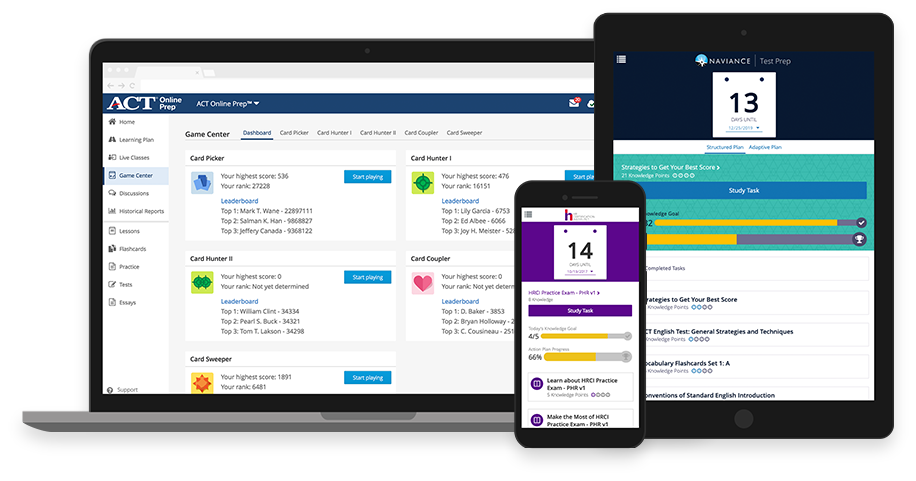
Purpose-Built Credentialing Platforms: These systems are tailored for organizations that need to deliver and manage certification and exam preparation. They focus on readiness and pass-rate outcomes, offering features like item-level analytics, psychometric reporting, and practice exams that simulate real testing conditions.
Standalone Test-Prep Products: Often sold directly to learners, these products bundle content and platform, providing a quick-to-market solution. They are ideal for individual candidates but may limit the organization's control over content and learner data.
Custom-Built Systems: Larger organizations may opt for custom solutions that align perfectly with their proprietary exam blueprints. These systems offer full data ownership and exact fit but require significant resources for development and maintenance.
Pricing structures in this space vary, with general-purpose and purpose-built platforms often using a per-learner or per-seat annual contract model, while standalone products are typically priced per course.
How Do You Choose an LMS for Selling Continuing Education Credits to External Learners?
Step 1: Define Your Needs
Identify the specific requirements of your continuing education program. Consider factors like credit tracking, compliance needs, learner engagement, and administrative capabilities. Understanding these needs will guide your selection process.
Step 2: Evaluate Platform Capabilities
Assess the capabilities of different LMS platforms. Look for features such as credit tracking, certificate automation, learner analytics, and integration options. Ensure the platform can handle the complexity of your program.
Step 3: Consider Data Ownership and Security
Evaluate how each platform handles data ownership and security. Ensure that the platform complies with relevant standards and offers robust data protection measures. This is crucial for maintaining learner trust and meeting regulatory requirements.
Step 4: Assess Integration and Scalability
Check the platform's ability to integrate with existing systems and its scalability to grow with your organization. Look for support for standards like LTI, SAML, and API access to ensure seamless integration and future expansion.
Step 5: Conduct a Pilot Test
Before full implementation, conduct a pilot test with a small cohort. This will help identify any potential issues and ensure the platform meets your needs in a real-world setting.
What Should Buyers Consider When Evaluating?
- Accreditation Body Reporting Formats: Confirm the platform can export credit data in the file formats and field structures your accreditor requires, such as batch uploads to a reporting system.
- User Experience: Evaluate the ease of use for both administrators and learners. A user-friendly interface can enhance engagement and reduce administrative burden.
- Support and Training: Consider the level of support and training provided by the vendor. Adequate support can facilitate a smoother implementation and ongoing operation.
Frequently Asked Questions
How Much Do LMS Platforms for Continuing Education Typically Cost?
Pricing varies widely depending on the platform and its features. General-purpose and purpose-built platforms most often use a per-learner or per-seat annual contract model, while standalone test-prep products are typically priced per course. Published list pricing is uncommon in this category; most contracts are negotiated against projected learner volume.
What's the Difference Between a General-Purpose LMS and a Purpose-Built Credentialing Platform?
A general-purpose LMS is designed for broad educational use, focusing on course delivery and completion tracking. In contrast, a purpose-built credentialing platform is optimized for exam readiness, offering features like item-level analytics and psychometric reporting.
How Long Does It Take to Implement a New LMS?
Implementation timelines can vary, and they are often influenced by the readiness of your content. Key drivers include whether existing content must be migrated and tagged, the number of integrations required, and the amount of administrator configuration and testing needed before launch.
What Is a Common Misconception About LMS Platforms for Continuing Education?
A common misconception is that all LMS platforms can handle credit tracking and compliance equally. General-purpose systems often require add-ons or manual processes to report credit type and hours to accrediting bodies, which specify the data fields and formats they accept — for example, the ACCME's Program and Activity Reporting System (PARS) requirements for continuing medical education activities.